


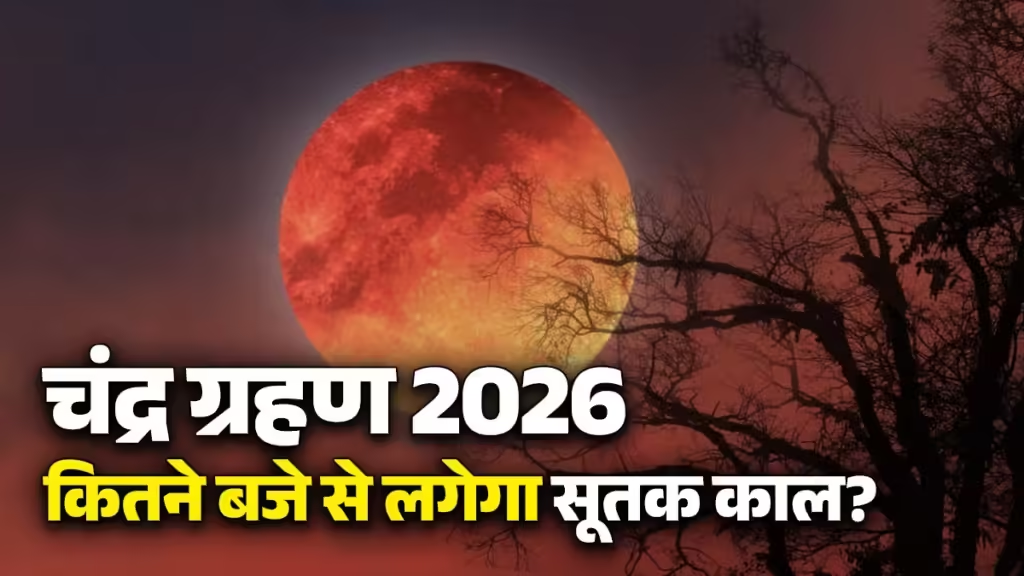
Introduction: A Rare Holi Twist in 2026 ( Chandra Grahan 2026 )
Holi 2026 is not just about colors, celebrations and Holika Dahan. This year brings a unique astronomical and religious overlap — a Chandra Grahan (Lunar Eclipse) on 3rd March 2026, right between Choti Holi (2 March) and Rangwali Holi (4 March).
This rare alignment has created confusion among devotees:
- Will Holika Dahan be affected?
- What is Sutak Kaal?
- Should celebrations be postponed?
- What precautions should pregnant women take?
- Is this scientific or purely belief-based?
Let’s break everything down clearly and responsibly.
What Is Chandra Grahan?
A Chandra Grahan (Lunar Eclipse) occurs when the Earth comes between the Sun and the Moon, blocking sunlight from reaching the Moon. As a result, the Moon may appear darkened or reddish — often called a Blood Moon.
Unlike solar eclipses, lunar eclipses are generally safe to observe with the naked eye.
From a scientific perspective, it is a completely natural astronomical event.
From a spiritual perspective in Hindu tradition, it is considered a time of heightened cosmic energy and caution.
Chandra Grahan 2026: Date & Timing (India)
As per astronomical calculations:
- Date: 3 March 2026
- Sutak Kaal Begins: Morning (approx 6–9 hours before eclipse visibility, depending on regional belief)
- Grahan Begins: Afternoon
- Peak: Early evening
- Ends: Around sunset/evening hours
(Note: Exact regional timings should always be checked via local Panchang.)
What Is Sutak Kaal?
In Hindu belief, Sutak Kaal is a period before the eclipse during which auspicious activities are avoided.
During Sutak:
- Temples may close
- Religious ceremonies are paused
- Cooking and eating freshly prepared food is avoided
- New ventures or shubh karya are postponed
The logic behind this tradition was to encourage caution, rest and spiritual focus during unusual celestial events.
How Does This Affect Holi 2026?
1️⃣ Impact on Holika Dahan (Choti Holi – 2 March)
Holika Dahan is traditionally performed after sunset during Pradosh Kaal and outside Bhadra period.
Since the Grahan falls on 3 March, the main Holika Dahan ritual on 2 March evening remains unaffected in most regions.
However:
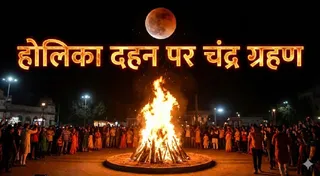

- Some communities may adjust rituals depending on local Panchang.
- Public celebrations on 3 March may remain limited due to Sutak.
2️⃣ Impact on Rangwali Holi (4 March)
Good news 🎉
Rangwali Holi on 4 March 2026 is not affected.
Celebrations, colors, gatherings and festivities will continue as usual after Grahan ends and purification rituals are completed.
Traditional Do’s During Chandra Grahan
According to Hindu customs:
✔ Chant mantras (especially Mahamrityunjaya mantra or Vishnu mantra)
✔ Meditate or sit quietly
✔ Keep Tulsi leaves in stored food
✔ Stay indoors during peak eclipse
✔ Take a bath after Grahan ends
✔ Clean house and sprinkle Gangajal
These practices symbolize purification and positive energy renewal.
Traditional Don’ts During Grahan
🚫 Avoid temple visits during Sutak
🚫 Avoid starting new work
🚫 Avoid cutting nails or hair
🚫 Avoid cooking during eclipse
🚫 Avoid loud celebrations
These are faith-based practices followed in many households.

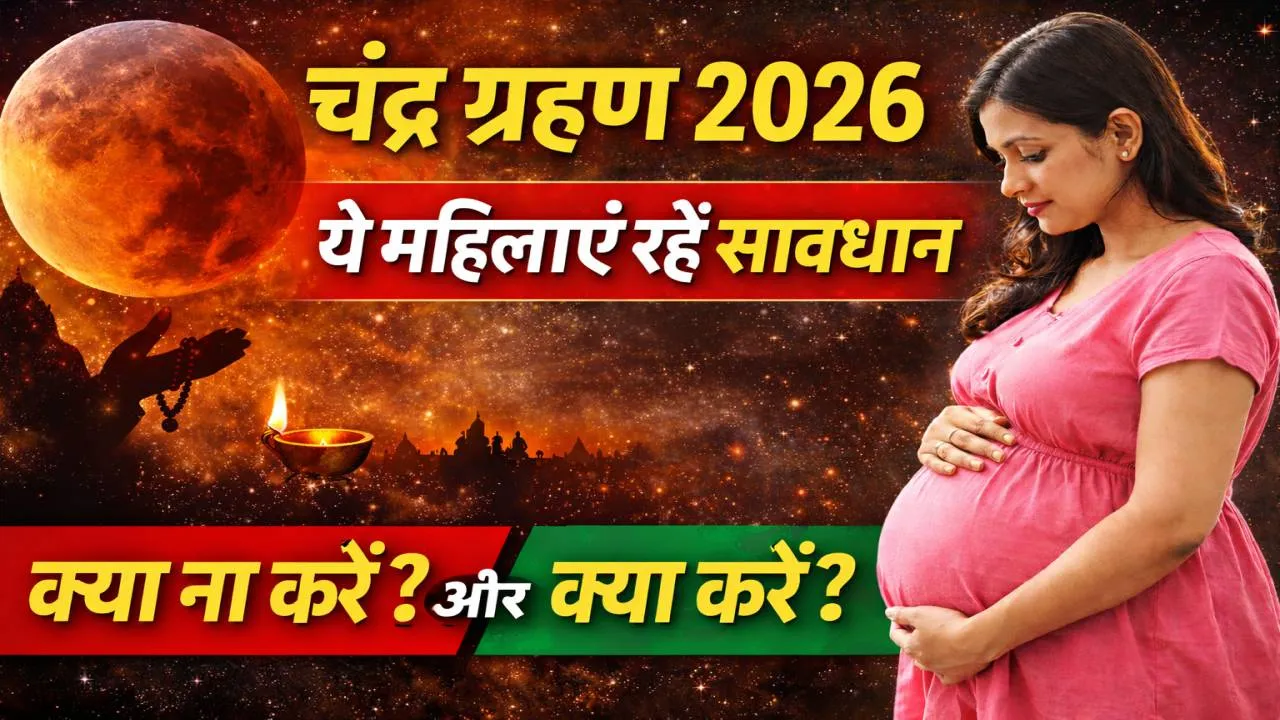
Special Precautions for Pregnant Women
This is the most discussed topic during eclipses.
Traditional beliefs suggest pregnant women should:
- Avoid using sharp objects (knife, scissors, needles)
- Avoid stitching, cutting or peeling items
- Avoid tying knots or locking objects
- Avoid stepping out during eclipse
- Consume food with Tulsi leaves added
- Rest and avoid stress
But What Does Science Say?
Medical science does not support any proven harmful impact of lunar eclipses on pregnancy.
Doctors advise:
- Continue normal routine
- Eat healthy
- Avoid stress
- Follow medical guidance
Therefore, while respecting tradition, medical advice should always be prioritized.
Science vs Belief: Understanding the Balance
Scientifically:
A lunar eclipse does not emit harmful radiation that affects humans.
Culturally:
Eclipses were historically seen as powerful cosmic shifts. Precautions were symbolic ways to encourage mindfulness, fasting and spiritual discipline.
In ancient times without scientific tools, caution during celestial events was considered wise.
Today, the best approach is:
Respect tradition, but avoid fear-based thinking.
Spiritual Meaning of This Rare Holi–Grahan Combination
Symbolically, this sequence carries a powerful message:
🔥 2 March – Burn negativity (Holika Dahan)
🌕 3 March – Reflect internally (Grahan)
🌈 4 March – Celebrate positivity (Holi)
It almost feels like a spiritual journey:
Cleanse → Pause → Rejoice
What Should You Do After Grahan Ends?
Traditionally:
- Take a bath
- Change clothes
- Clean puja area
- Resume normal cooking
- Offer prayers
After that, preparations for Rangwali Holi can continue peacefully.
Final Thoughts
Chandra Grahan 2026 adds a rare celestial twist to the Holi celebrations. While some traditions suggest precautions and restrictions, it is important not to panic.
Holi remains a festival of:
Love
Unity
Victory of Good over Evil
Whether you follow strict rituals or take a modern approach, what truly matters is positivity, safety and awareness.
Celebrate mindfully.
Respect beliefs.
Trust science.
And most importantly — spread colors of happiness. 🌈✨
#HolikaDahan2026 #ChandraGrahan2026 #LunarEclipse #SutakKaal #Holi2026 #GrahanImpact #AstrologyIndia #HinduFestivals #EclipsePrecautions #PregnancyCare #HoliSeries
📢 Stay tuned to our blog for daily updates across India! Bookmark this page to get the latest rates every day.
And also visit our page for latest news : https://5pmnews.com
and our YouTube Channel for more informative video this Ritual : https://www.youtube.com/@5PMNewsgyan
Also Watch Visit us on Instagram Channel for more informative reel on this Ritual: https://www.instagram.com/
For any Law related information do visit our page : https://lawyersgyan.com/